
What is TMJ / TMD?
What is the Temporomandibular Joint?
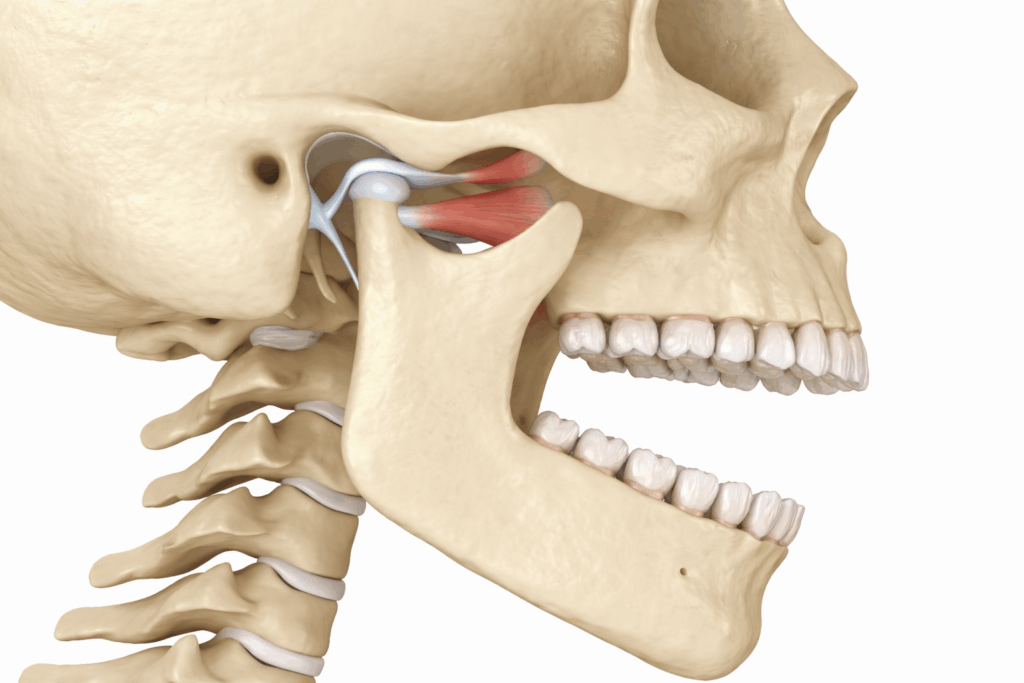
The temporomandibular joint (TMJ) connects your jaw to your skull, allowing essential functions such as talking, chewing, and yawning. This joint plays a vital role in daily activities, making it important for overall mouth movement and function.
What Are Temporomandibular Disorders
Temporomandibular disorders (TMD) refer to conditions affecting the TMJ. These disorders can lead to a range of symptoms, including jaw pain, clicking or popping sounds, and limited jaw movement. While occasional jaw popping or clicking can be normal and typically harmless, persistent discomfort may indicate a deeper issue.
Common Causes of TMD and Bruxism
Factors Contributing to TMD
There are several factors that can lead to temporomandibular disorders (TMD), which affect the TMJ and cause discomfort. Some of the most common causes include:
- Stress and anxiety, which can trigger involuntary teeth grinding
- Medications, including stimulants, ADHD medications, and certain antidepressants
- Misaligned teeth, jaws, or uneven dental restorations, leading to uneven bite pressure
- Wisdom teeth pain or eruption
- Jaw overuse, such as excessive chewing or gum chewing
- Injury, including trauma to the jaw or head
- Airway considerations: In some cases, TMJ issues and bruxism can be linked to sleep-related breathing problems, which we can evaluate if relevant.
Symptoms to Watch For
Temporomandibular Disorders (TMD) and bruxism (teeth grinding or clenching) can cause a variety of symptoms. These symptoms may vary from mild discomfort to more severe pain, affecting your jaw, face, and teeth. It’s important to recognize the signs early so you can seek the right treatment and prevent further complications. If you experience any of the following, it’s recommended to consult a healthcare provider.
- Jaw pain or tenderness
- Popping, clicking, or grinding sounds (usually not dangerous)
- Headaches, earaches, or facial pain
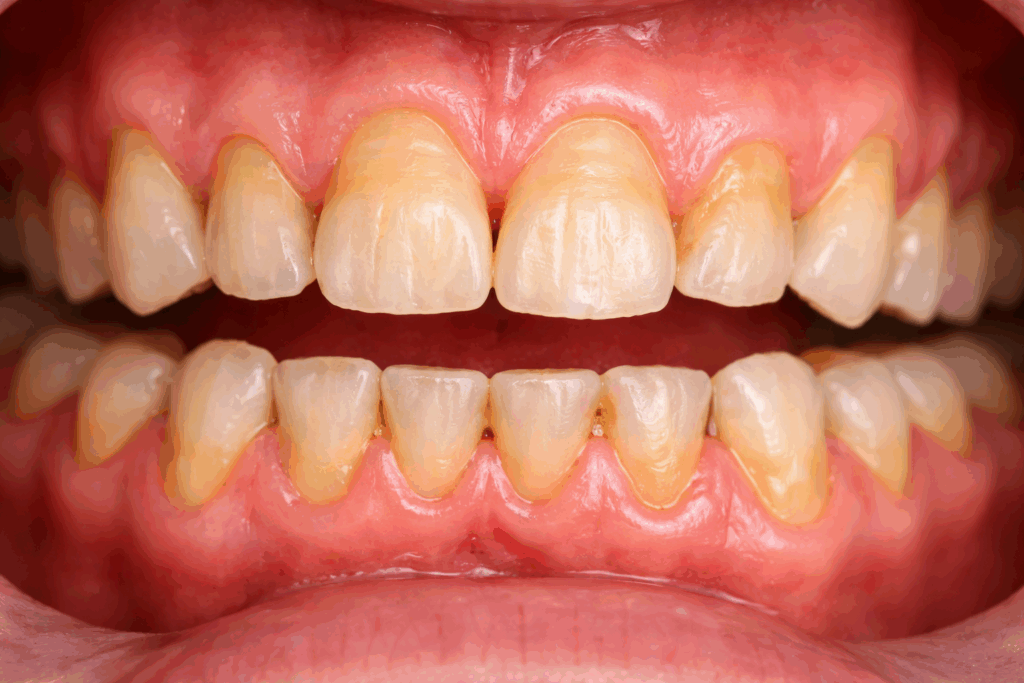
- Teeth wear or sensitivity from chronic grinding
- Difficulty opening or closing your mouth
Consequences of Untreated TMD / Bruxism
Long-Term Effects of Chronic TMD and Bruxism
If left untreated, chronic TMJ disorders or bruxism can lead to:
- Damage to teeth, including chipping, fractures, and worn enamel
- Collapse of vertical dimension of occlusion, causing a shortened lower face, sagging skin, and premature aging
- Teeth sensitivity and jaw fatigue
- Frequent headaches or migraines
- Increased risk of chronic facial pain and jaw dysfunction
Effective Treatments for TMJ / Bruxism
Comprehensive Treatment Options for TMJ and Bruxism
Our dental team provides a range of treatment options tailored to your needs:
- Home care: Warm compresses, gentle jaw massages, and stress reduction techniques
- Medications: NSAIDs for pain, prescription skeletal muscle relaxers if needed
- Mouthguards: Custom nightguards to prevent grinding and protect teeth
- Advanced care: If indicated, orthodontic treatment, referral to a TMJ specialist, or oral surgery for severe cases
- Botox injections: May temporarily reduce muscle tension in some patients
Most TMJ popping and clicking is harmless and can be managed with simple treatments, but chronic issues can affect your teeth, facial structure, and comfort.
Take Action for Your Jaw Health
Don’t Let Jaw Pain, Teeth Grinding, or TMJ Discomfort Affect Your Daily Life
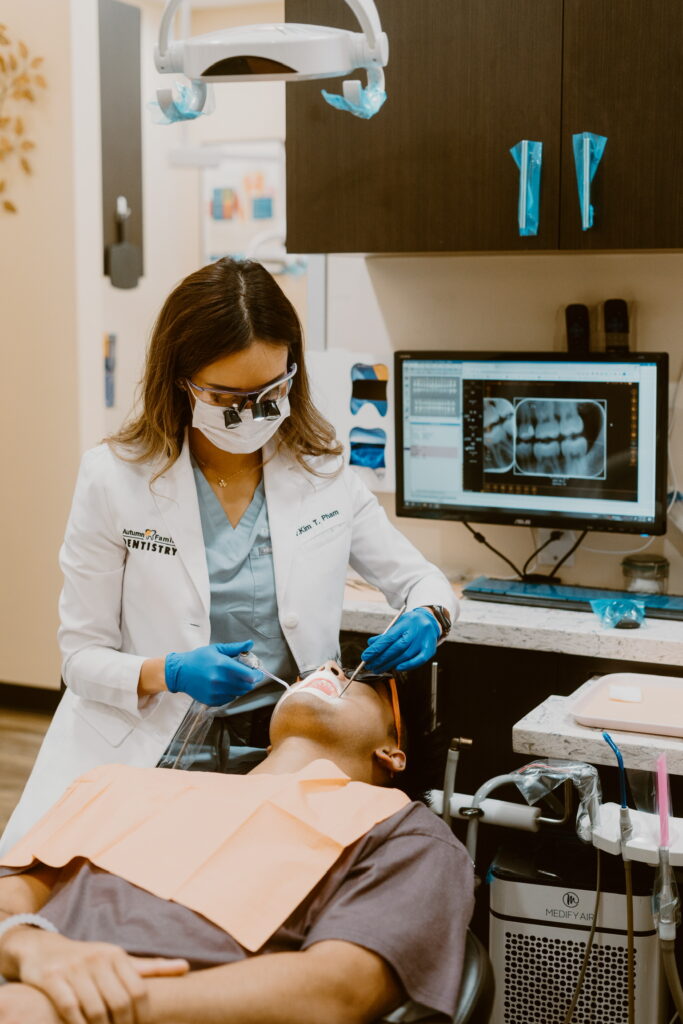
At Autumn Family Dentistry in League City, TX, we offer gentle, personalized care to help alleviate jaw pain, teeth grinding, and TMJ discomfort. Our experienced team is here to provide effective treatments for patients of all ages, ensuring you can enjoy a comfortable, healthy smile once again.