



Dental Emergencies

Dental Emergencies in League City

 Need urgent dental care in League City? Learn what to do for tooth trauma, broken crowns, tooth pain, or post-extraction complications. Call Autumn Family Dentistry today.

Home Dental Services Dental Emergencies

What is a Dental Emergency?

Understanding Dental Emergencies

A dental emergency is any sudden pain, injury, or damage to your teeth, gums, or mouth that requires prompt attention. Quick action can save your teeth and prevent serious complications, as some emergencies may become life-threatening if left untreated.

⚠️ Emergency Disclaimer:
For life-threatening injuries, severe facial trauma, uncontrolled bleeding, difficulty breathing, or swelling affecting the airway, call 9-1-1 or go to the nearest ER immediately.

pexels-karola-g-5207361-scaled

Common Dental Emergencies & What to Do

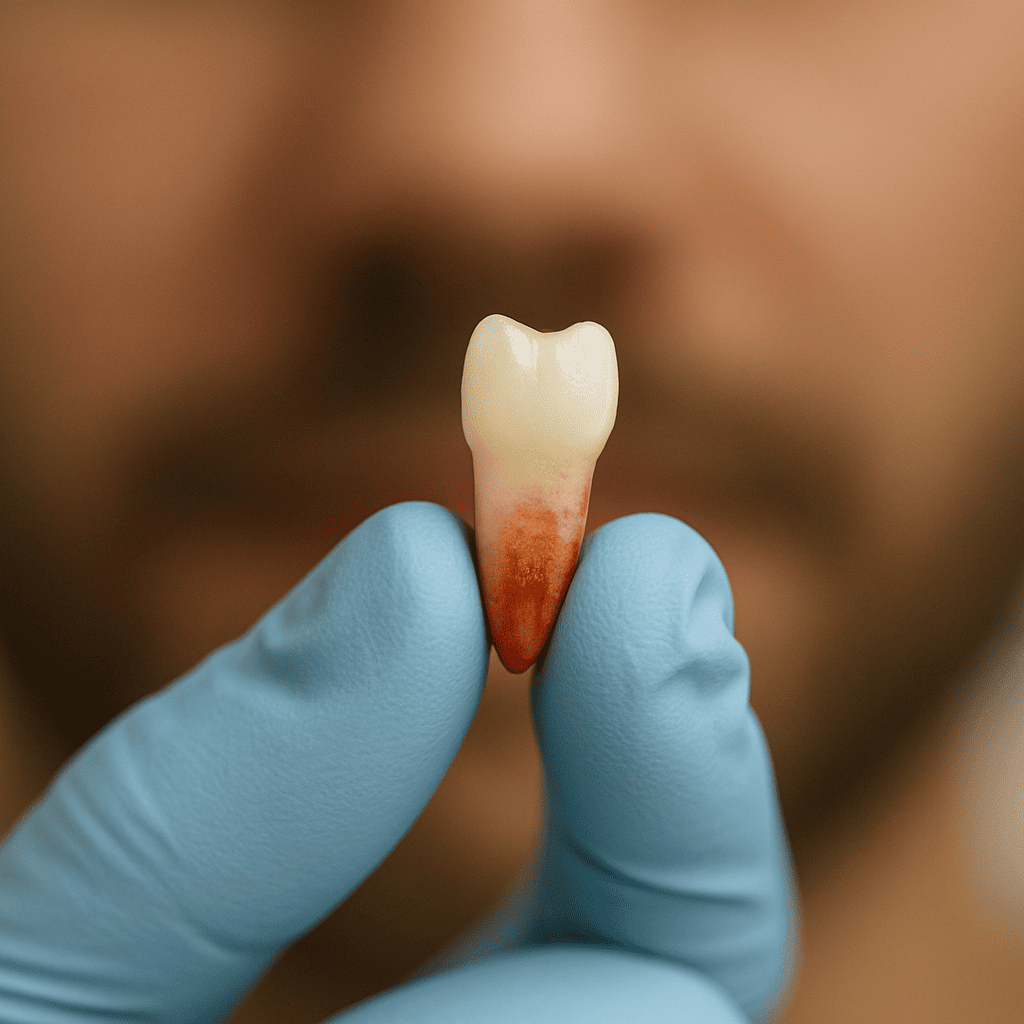
Knocked-Out Tooth (Avulsed)

If your tooth is completely knocked out, root and all, pick it up by the crown, rinse gently, put back in the socket if possible or store in milk or saline, and call your dentist immediately—within 1 hour.

Step-by-step care:

  • Avoid touching the root. Rinse gently with salt water but do not bleach or scrub hard. 
  • Place the tooth back in the socket if possible. Call your dentist for x-rays and to consider next steps, such as a wired splint or root canal therapy and prescription antibiotics. 
  • If unable to put the tooth back into the socket, store the pieces in milk or saline solution and bring them to the office immediately.
  • *If it is a baby tooth, never put it back in the socket. Bring it to the dentist for evaluation.
  • Seek emergency dental care immediately. Avulsed teeth are a true dental emergency, and timing is critical.

Broken or Chipped Tooth

If your tooth is broken or chipped, rinse your mouth, apply a cold compress, save any fragments, and contact your dentist promptly.

Step-by-step care:

  • Rinse with warm salt water to clean the area.
  • Apply a cold compress to reduce swelling, if needed.
  • Save any broken pieces for inspection by your dentist.

Do not panic. Most broken or chipped teeth can be repaired or extracted during regular business hours. 

ChatGPT-Image-Dec-10-2025-09_03_17-PM (1)

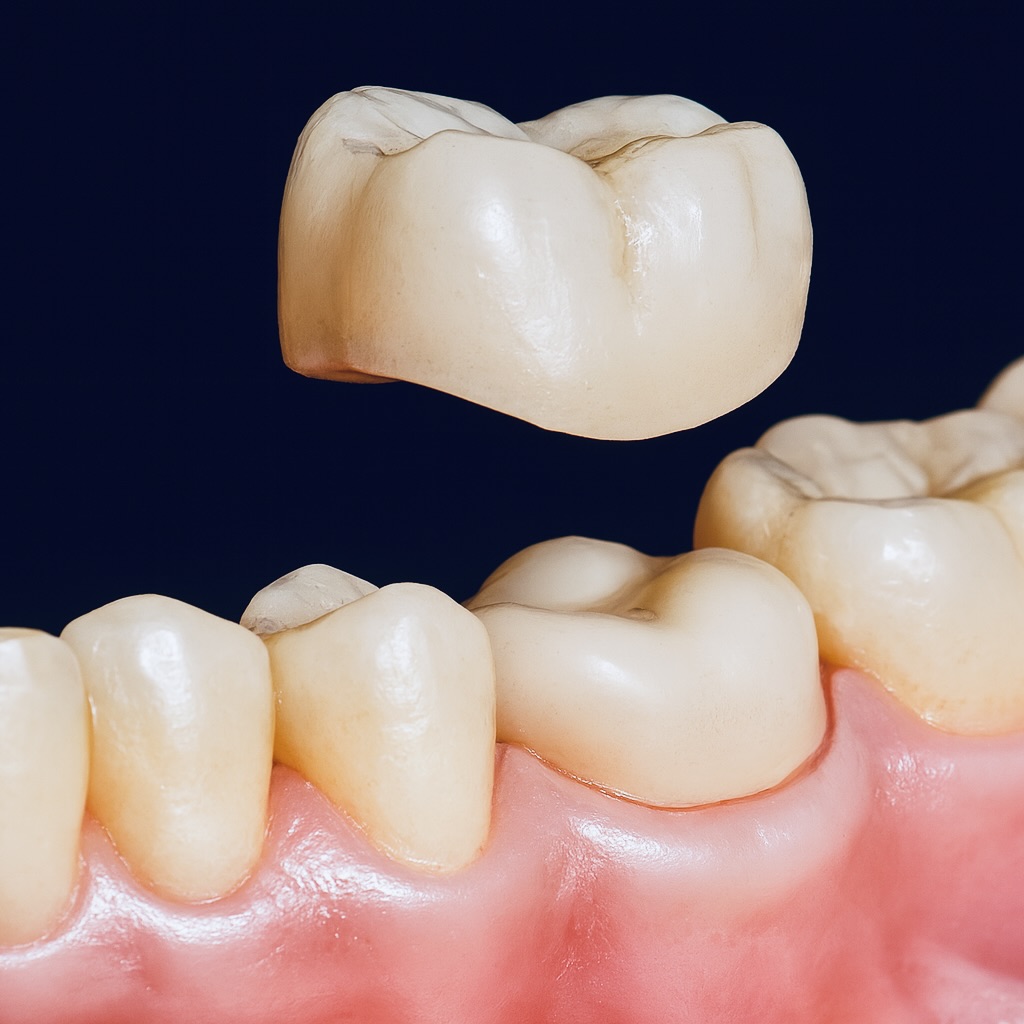
Broken Crown

If your temporary or permanent crown breaks or falls off, keep it, rinse your mouth and the crown, use temporary dental cement putty or toothpaste to put it back in place, and avoid sticky foods until your dentist replaces it.

Step-by-step care:

  • Rinse the crown and your mouth with warm water.
  • Apply temporary dental cement putty or toothpaste to hold it in place if possible.
  • Avoid chewing sticky or hard foods.
  • If having pain, take over-the-counter acetaminophen or ibuprofen as directed.
  • Contact your dentist for the next available appointment.

4DB9BDA3-04B0-4BE8-88B3-FE4DDE0D79E6_1_201_a

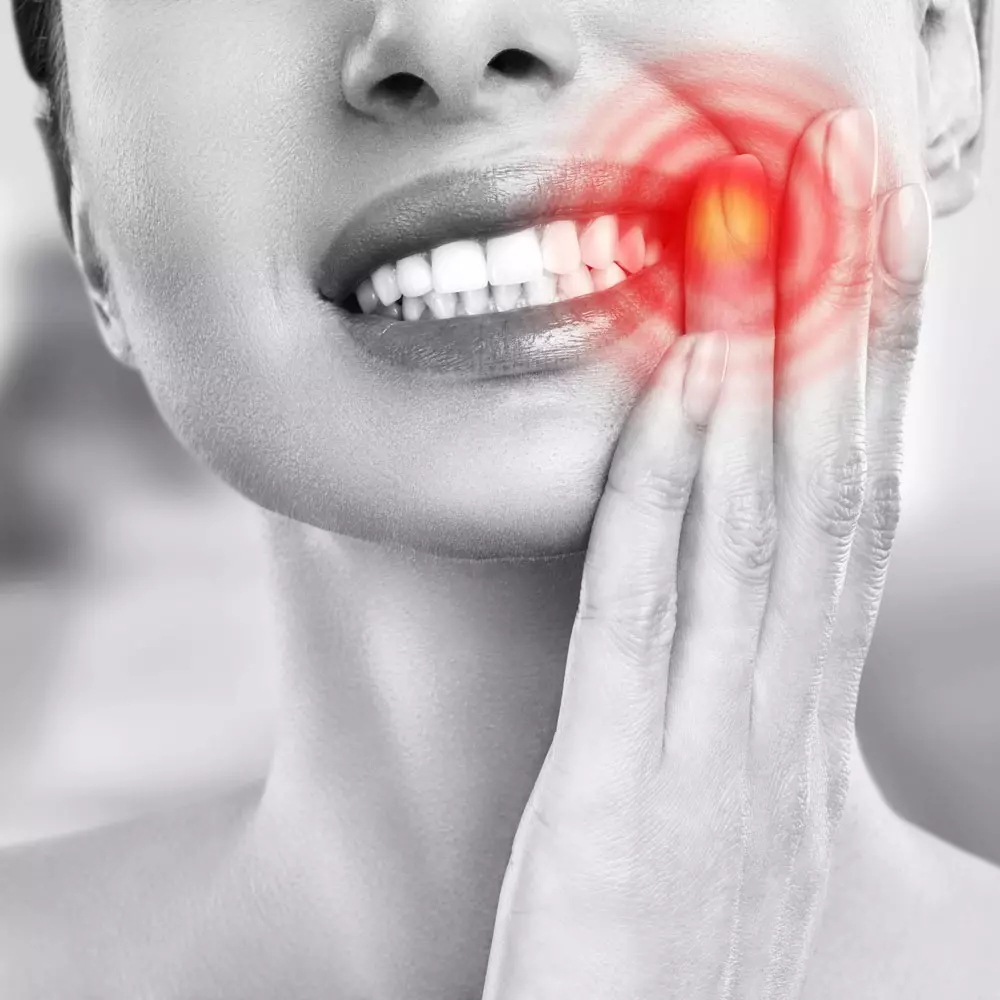
Tooth Pain

  • If you have tooth pain, rinse with warm salt water, take OTC pain relievers, avoid aggravating foods, and call your dentist if the pain persists or worsens.

    Step-by-step care:

    • Warm salt water rinses help reduce inflammation and cleans the area.
    • Cold compresses may help with swelling, if present. 
    • Take over-the-counter pain medication, such as acetaminophen or ibuprofen, as needed. Do not take any antibiotics that were not prescribed specifically for this situation, including any old prescription antibiotics, unless directed to do so by your doctor. 
    • If needed, your dentist can prescribe medications after an in-person evaluation with x-rays. 
    • Avoid hot, cold, sugary, or acidic foods that worsen discomfort.
    • Persistent pain, swelling, or fever warrants a dental visit.

    Tooth pain may sometimes indicate nerve irritation or damage, requiring root canal treatment. Learn more here: <link to root canal page>

tooth-pain

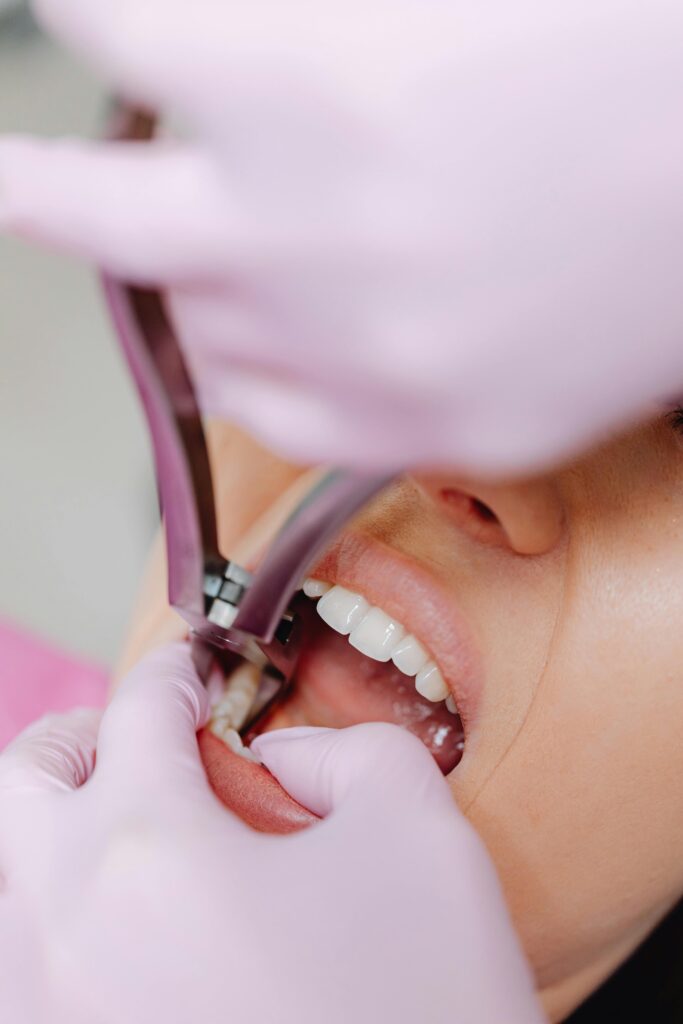
Post-Extraction Complications

  • Follow all post-extraction instructions carefully to minimize the risk of complications: <link to post-op instructions>

    If you experience complications after a tooth extraction, bite gauze for bleeding, watch for dry socket, and contact your dentist if issues persist.

    Excessive Bleeding:

    When blood mixes with saliva, it can appear as though there’s more bleeding than there really is. Oozing or pink/red saliva in the first 24 hours is normal. 

    • If your bleeding is severe:
    • Apply biting pressure on a clean gauze pad for 30–45 minutes.
    • Consider biting on tea bags (black tea contains tannins that help slow bleeding).
    • Avoid forceful spitting, using straws, or smoking.
    • Contact your dentist or ER if bleeding does not resolve.

    Dry Socket (Alveolar Osteitis):

    • Generally occurs 4–7 days after extraction.
    • Symptoms: severe pain radiating to the jaw or ear area, bad taste, or visible bone.
    • Seek immediate dental care for treatment.

pexels-karola-g-6627566-scaled

When to Seek Immediate Care

Seek dental care immediately if you experience:

  • Knocked-out or severely damaged teeth
  • Sudden, severe, or persistent tooth pain
  • Swelling of the face, jaw, or neck
  • Signs of infection: pus, fever, or foul odor
  • Post-extraction complications

Life-threatening emergencies: Call 9-1-1 for uncontrolled bleeding, difficulty breathing, or severe facial trauma.

pexels-jeshoots-com-147458-576831-scaled
pexels-kindelmedia-8172897-scaled

Why Choose Autumn Family Dentistry

Experienced Emergency Dental Care in League City

We provide compassionate, efficient, and family-focused emergency dental care for children and adults:

Call Autumn Family Dentistry today for urgent dental care in League City.

FAQ's about Dental Emergencies

Answers to Common Questions About Dental Emergencies

  • A dental emergency is a situation that needs immediate care to stop bleeding, relieve severe pain, or prevent tooth loss or infection.

    Common dental emergencies include:

    • Severe toothache that doesn’t improve with pain medication that might or might not be accompanied by swelling or bleeding
    • Knocked-out or loose adult tooth
    • Swelling or infection causing pain, fever, or difficulty breathing or swallowing
    • Uncontrolled bleeding after a dental procedure or injury
    • Broken or cracked tooth with painful nerve exposure
    • Injury to lips, tongue, or gums with heavy bleeding that might require suturing

    Not usually an emergency:

    • Minor chips or cracks without pain
    • Lost filling, crown, or bridge
    • Mild tooth sensitivity

    If you’re unsure whether it’s an emergency, call our office — we can help you decide if you need to be seen right away or schedule the next available appointment.

 Some dental problems need immediate medical attention rather than a dental visit.
Go to the emergency room if you experience:

  • Swelling that spreads to your face, jaw, or neck
  • Difficulty breathing or swallowing
  • Severe, uncontrolled bleeding that doesn’t stop with pressure
  • Trauma to the face or jaw with possible fractures
  • Fever or general illness from a spreading infection

If you’re unsure, call our office or local emergency services for guidance. We can help you determine whether to come in or head directly to the ER.

Please call our office at (281) 524-4435 and leave a voice message for any urgent needs.

Alternatively, use our contact form to get in touch with our staff. 

If you are having a true dental emergency, please contact management  

For existing patients of record that have been seen within the last 12 months, prescriptions for pain medication and/or antibiotics can be called in ahead of time when a follow-up in-person exam with x-rays or previously planned treatment appointment is scheduled.

For new patients or patients that have not been seen within the last 12 months, an in-person exam with x-rays is required to determine any prescriptions. 

 For patients without insurance, a limited (problem-focused) exam (including any needed x-rays, imaging, and prescriptions) is $145. If you’d like, you can upgrade to a full comprehensive exam with complete x-rays at no extra charge during the same visit.

 For adults and children 12 & over: Alternate 400 mg ibuprofen (2 tablets of Advil or Mortrin) with 1000 mg acetaminophen (2 tablets of Extra Strength Tylenol) every 4-6 hours. Consult with a physician or dentist if pregnant or have other underlying conditions such as stomach ulcers or kidney or liver problems. For children under 12: Refer to the following chart test
7887CDED-FF86-4AFE-84CA-443CE3AA240C

Ready to Enhance Your Smile?

Schedule Your Consultation Today

Call Autumn Family Dentistry in League City, TX, for urgent dental care and same-day treatment for dental emergencies, including trauma, pain, and post-extraction care.

WE’RE HERE WHEN YOU NEED US

Effortless Online Scheduling

Our online booking form is available 24/7. Request your appointment anytime, and a member of our team will reach out shortly to confirm your visit details.

Upload your insurance information here to expedite your scheduling request: